Contents
A day in the life of a Laravel developer
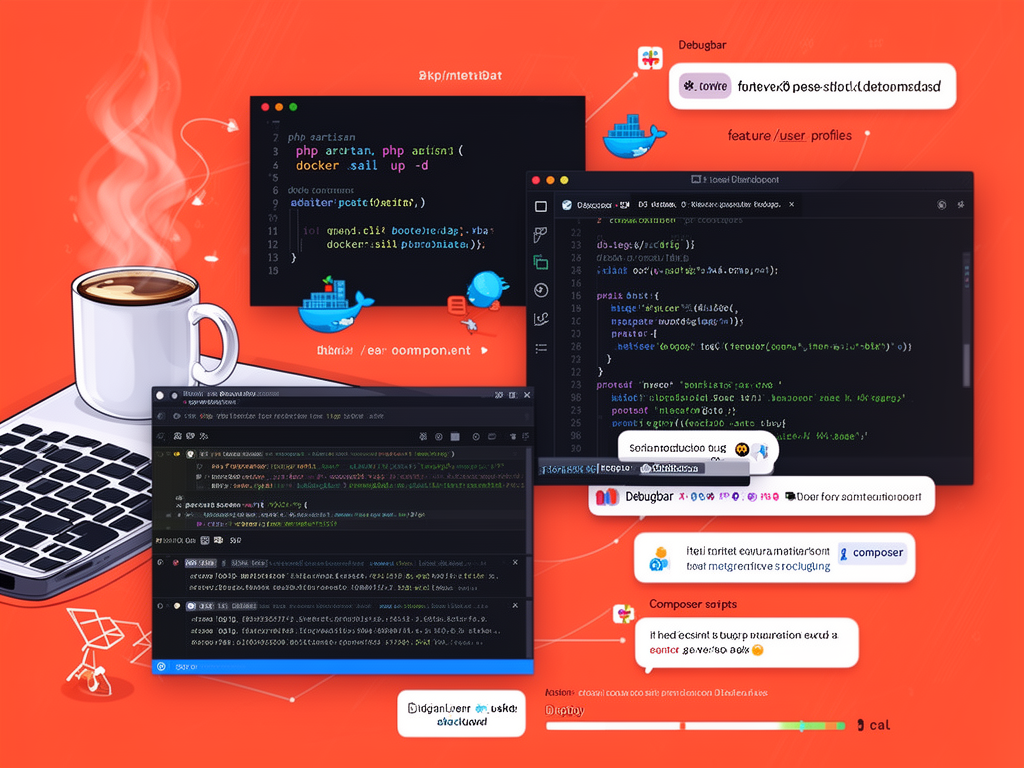
Fellow developers, picture this: it's 7 AM, coffee steaming beside your keyboard, and the first Slack ping hits about a production bug. That's when the Laravel workflow kicks in—not some rigid checklist, but a rhythm you've honed over late nights and quiet triumphs. I've been there, staring at a stubborn Eloquent query at 2 AM, feeling that mix of frustration and flow. This isn't theory. It's the daily grind that turns good code into something reliable, something that ships.
As a Laravel dev on the Find PHP platform, you're hunting jobs or hiring talent who live this every day. Let's walk through it together, from boot-up to shutdown, blending tools, habits, and those human moments that make PHP sing.
Morning ritual: Environment and mindset
You fire up the terminal. No fumbling—aliases are your first line of defense. art for php artisan, serve to spin up the dev server, migratefresh to nuke and reseed the database when testing goes wild. I added these to my .zshrc years ago, and it's like shedding invisible weights. Source the file, and you're flying.
Next, Laravel Sail hums to life. sail up -d docks your containers—PHP, MySQL, Redis, all consistent, no "works on my machine" drama. It's Docker without the headache, letting you focus on code, not config. In team chats on Find PHP, I've seen juniors light up when they ditch local hell for Sail's isolation.
IDE? PhpStorm with Laravel Idea plugin is non-negotiable for me. Autocompletion for routes, Livewire methods, request validation rules—it's like the editor reads your mind. Blade syntax highlighting catches errors before they bite, and one-click code generation for controllers or migrations saves rote typing. VS Code fans, grab Intelephense and Laravel Blade Spacer; same power, lighter footprint.
Have you ever lost an hour hunting a route name? Not anymore. Type route(''), and boom—suggestions everywhere.
Diving into features: Models, controllers, the core loop
By 9 AM, tickets pile up. New feature? art make:controller Api/UserController --resource. Skinny controllers, fat models—that's the mantra. Business logic lives in service classes or traits, never bloating routes. Single responsibility principle: one method, one job. No god functions mixing validation, logging, and updates.
Eloquent first, always. Query Builder or raw SQL? Only if desperate. Prefer collections over arrays for that fluent magic. Mass assignment via create($validated) beats setter spaghetti. And eager loading—with('user.profile')—crushes N+1 queries before they spawn.
Validation? Form requests all the way. CreateUserRequest with rules like 'email' => 'required|unique:users|email'. Auto-injects into controllers, keeps things DRY. Artisan from routes? Rare, but golden for one-offs: Artisan::call('emails:send', ['user' => $id]);.
Tinker is your mid-morning savior. art tinker, then User::find(1)->posts()->get(). Dump data, test scopes, fire jobs. No browser, no routes—just pure, instant feedback. I once debugged a queue deadlock there in five minutes flat.
Lunch break hits around noon. Push to a feature branch: git checkout -b feature/user-profiles, commit with "Add user profile CRUD with validation and eager loading—fixes #42". Meaningful messages, .gitignore shielding .env and node_modules. Rebase onto main before PR. Clean Git hygiene means no merge nightmares later.
Afternoon grind: Frontend, debugging, optimization
Post-lunch fog? Vite blasts it away. npm run dev with HMR—edit CSS, JS, or Livewire components, and the browser updates in a blink. No more stale assets killing momentum. Livewire shines here: dynamic UIs without full-stack JS fatigue. Toggle a component property, watch it wire up live.
Debugbar overlays your local app: queries, views, events, all exposed. Spot that extra loop? Optimize on sight. Xdebug for the deep dives—breakpoints, step-throughs when logic twists. Telescope in staging for request traces and errors. Pair it with chunk(1000) on heavy imports; no timeouts, smooth sailing.
Composer scripts automate the tedium. In composer.json:
"scripts": {
    "test": "art test",
    "lint": "vendor/bin/php-cs-fixer fix",
    "setup": [
        "@php art migrate:fresh --seed",
        "@npm ci",
        "@npm run build"
    ]
}
composer setup and you're golden for onboarding or demos. Laravel Pint enforces PSR-12, keeping code crisp across teams.
Queues and scheduling? Background bliss. php artisan queue:work processes emails, while schedule:work handles cron-like tasks: daily cleanups, reports. Redis backend scales it effortlessly.
Wrapping the day: Reviews, deploys, reflection
4 PM: Code review time. PRs on GitHub or GitLab—colleagues flag SRP violations or missed eager loads. Fix, squash, merge. Optimize before push: art config:cache, route:cache, view:cache. Deploy via Forge or Vapor; zero-downtime magic.
Evening wind-down: Tests first. art test with Pest or PHPUnit. Helper functions like Str::random(24) for IDs, timeouts on HTTP calls: Http::timeout(120)->get(). Chunk data-heavy jobs. Dates in UTC, accessors for display. No DocBlocks cluttering; descriptive names win.
That 6 PM commit feels earned. Slack updates the team, Find PHP job board tempts with fresh gigs craving this workflow. But it's the quiet wins—the bug squashed in Tinker, the Livewire component that just works—that stick.
What about you, reader? That one habit transforming your day? Tools evolve, but the rhythm? That's yours to own.
In the glow of a finished deploy, there's peace—knowing tomorrow's code will flow just a little smoother.